آیا نور آبی چراغ های LED می تواند به چشم آسیب برساند؟
لامپ LED نوع جدیدی از منبع نور پس از لامپ رشته ای، لامپ فلورسنت و لامپ{0}}صرفه جویی انرژی است. بازده نوری بالایی دارد، اما بسیاری از مردم اصل نوری و ویژگی های طیفی آن را درک نمی کنند و به ناچار نگران این هستند که آیا نوری که ساطع می کند به چشم آسیب می رساند یا خیر.
سه رنگ LED
In terms of spectrum, the light emitted by LED is very different from the light emitted by traditional incandescent lamps and fluorescent lamps. The so-called "spectrum" means that the light emitted by an object corresponds to a "rainbow".
The light emitted by traditional incandescent lamps and fluorescent lamps has the same seven colors of "red, orange, yellow, green, blue, blue and purple" as sunlight.
However, the light emitted by the general LED has only three colors of "RGB", where R is red, which means red light; G means green, which is green light; and B means blue, which is blue light.
Of these three colors of LEDs, the "blue LED" between 400nm and 500nm is the most important and the most basic.
تخصص نور آبی

نور آبی کجاست؟
Take a look at this "rainbow" image above. From left to right, they are ultraviolet, visible, and infrared. The wavelength range of visible light is between 400 nanometers and 700 nanometers, and the wavelength range from 400 nanometers to 500 nanometers is blue, so this band is called blue light.
The basic unit of light is called a photon. The wavelength of a photon is inversely proportional to the frequency. The wavelength of blue light is short, so the frequency is high. According to Einstein and Planck's calculation formula of light quantum energy, we can know that the energy of photon is equal to the product of Planck's constant and the frequency of photon, so the photon energy of blue light is also higher than that of red light and green light. This allows us to use blue light to "excite" other colors of light, such as yellow light, which can be "excited" by blue light.
فناوری LED آبی زمانی برنده جایزه نوبل فیزیک شد
Blue LED technology was only developed in 1998, and this technology won the Nobel Prize in Physics in 2014. This tall looking blue LED is made by encapsulating a GaN chip with yttrium aluminum garnet (YAG). The GaN chip emits blue light, the wavelength λ is equal to 465nm, and the wavelength bandwidth is about 30nm.
ال ای دی های سفید چگونه نور سفید ساطع می کنند؟
بنابراین، چگونه LED نور سفید در خانه نور سفید تولید می کند؟ همانطور که در بالا ذکر شد، فوتون های آبی انرژی بالایی دارند، بنابراین می توان از آنها برای تحریک فلورسانس استفاده کرد. به طور کلی، نور آبی تولید شده توسط LED آبی برای ضربه زدن به پودر فلورسنت برای تولید نور زرد استفاده می شود (مشابه با اصل لامپ های فلورسنت، نور لامپ های فلورسنت توسط پرتوهای فرابنفش که به پودر فلورسنت بر روی دیواره داخلی تابش می شود ساطع می شود. لامپ مهتابی). پس از تحریک نور زرد توسط نور آبی، آنها با هم از LED ساطع می شوند و ما احساس می کنیم که نور سفید را دیده ایم. در واقع، این فقط یک نور ترکیبی از رنگ های آبی و زرد است که با هم مخلوط شده اند.
Let's use an analogy. Blu-ray is the "mother", and Huang Guang is the "son". The mother and son form a single-parent family called "White Light".
Because of this principle, in order to improve the brightness of white LEDs, many manufacturers directly increase the intensity of blue light, so that the yellow light will also increase accordingly, and the brightness of the finally formed white light will also increase. Explanation of the "blue light excess" problem.
اندازه گیری عملی طیف نور LED
The figure below is the measured spectrum of different types of white LEDs. We can see that the "blue light" between 400nm and 500nm has a strong peak.
این بدان معنی است که یک LED که به نظر می رسد نور سفید ساطع می کند، در واقع دارای یک جزء نور آبی قوی در طیف خود است.
تاثیر نور آبی بر روی شبکیه چشم
So, since blue light is the "mother" of white LEDs, how do the eyes feel about blue light?
The tissue used to receive light in the human eye is called the retina. If the brightness of the 400–500 nm blue light band in the light source is too high, it may cause photochemical damage to the retina after looking directly at the light source for a long time. This damage is mainly divided into two categories: damage caused by blue light directly reacting with visual pigment in visual photoreceptor cells, and damage caused by blue light reacting with lipofuscin in retinal pigment epithelial cells. These photochemical reactions will produce a large number of cytotoxic free radicals, which will destroy the normal growth and work of retinal cells.
We can also consider the harm of blue light from another angle. Why can't the human eye accept the "excessive blue light" emitted by blue LEDs? Because human beings evolved in the solar system, according to Wien's displacement law of black body radiation, we can calculate the central wavelength of sunlight through the temperature of the sun's surface to be around 550 nm, while the central wavelength of blue LED is 465 nm, which deviates from the sun. The central wavelength of light, so from an evolutionary point of view, our human eyes cannot accept "excessive" blue light.

استاندارد تشخیص نور آبی LED بیش از حد در زندگی
Generally speaking, the products of regular manufacturers that have passed the national quality inspection will not have the hidden danger of excessive blue light. However, some manufacturers of LED lamps do not pay attention to controlling the intensity of blue light. The blue light in the LED lamps they produce is "excessive", and there is blue light radiation damage to the eyes.
In life, there are many light sources that can emit blue light - Yuba, flat panel monitors, LED neon lights, fluorescent lamps, LCD monitors, iPads, large-screen mobile phones, etc. all have background light sources, all of which contain short-wave blue light. If the blue light is "excessive", it will affect the retina, so you should avoid looking directly at the light source with your eyes, and pay attention to the use time, close your eyes and take a break every 20-30 minutes.
If you are worried about the problem of "excessive blue light" in the purchased LED lights or other electrical appliances, you can follow the "National Standard of the People's Republic of China GB/T 20145-2006 / CIE S 009/ E: 2002 (Photobiological Safety of Lamps and Lamp Systems) )" to judge whether the blue light of the LED lamp is excessive - this standard gives the upper limit of the luminous flux of blue light at a specific spatial angle. (The content of the specific standard will not be listed in detail here, and interested readers can check it out by themselves.)
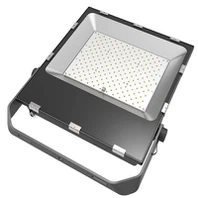
However, for LED lamps on the market, how to judge the excess of LED blue light is a complicated problem. For example, the LED light in the picture below, from the "voltage and frequency" announced by it, it is impossible to calculate whether the blue light is excessive, because the voltage and frequency are electrical indicators, and blue light is an optical indicator. The "luminous flux" it claims is an optical indicator, but it is only the total luminous flux of white light, not the luminous flux of blue light, so it is difficult for ordinary consumers to judge whether this lamp is excessive blue light.
محافظ چشم Benwei no bule LED Lighting، اگر سوالی دارید، لطفاً رایگان با wendy@benweilighting.com تماس بگیرید